Deep Mapping & Place-Based Narrative

Maps hold
many stories

A custom toolkit for building interactive, place-based narratives — for scholars, communities, and artists telling layered stories about real spaces.
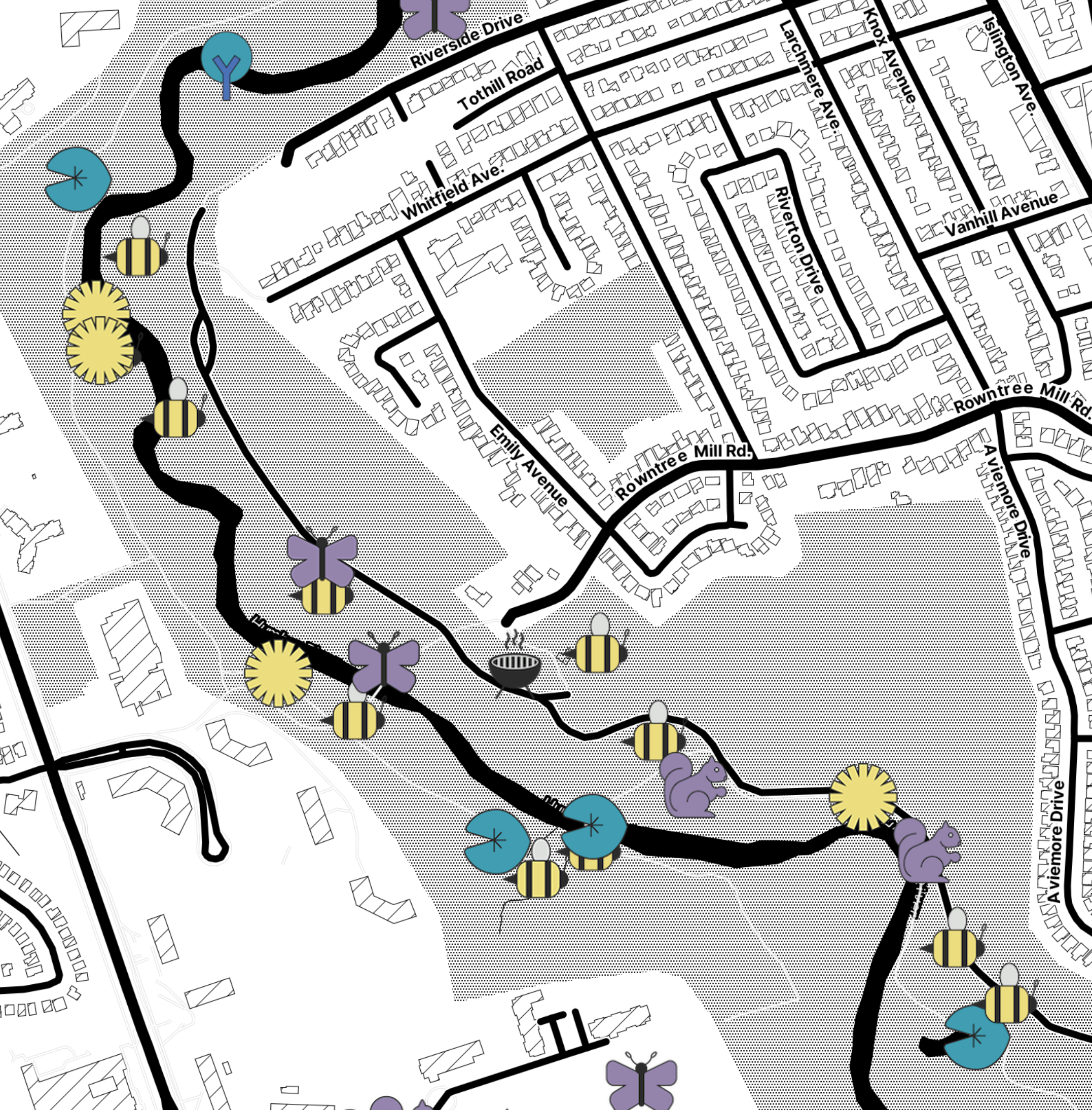
parkway.toasterlab.com
Parkway — Toasterlab
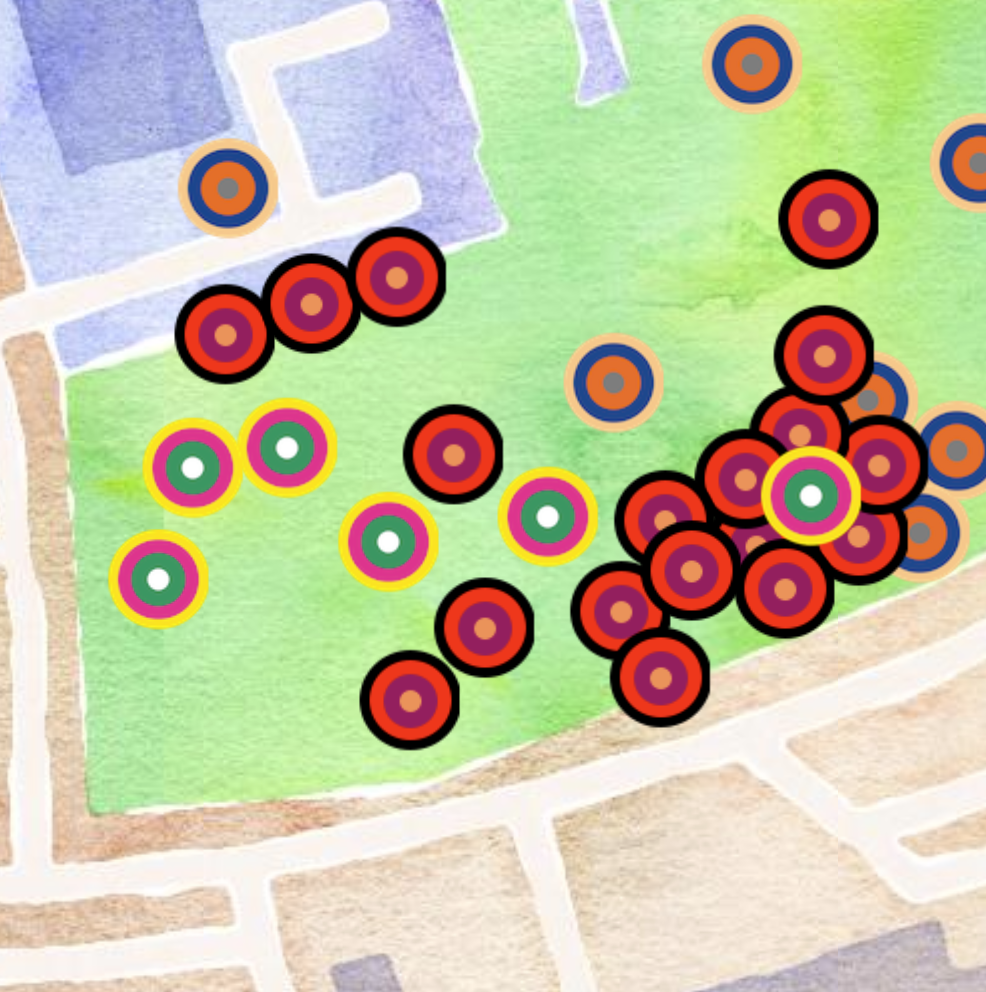
bishop.theplacelab.com
Mapping Bishop — The Place Lab
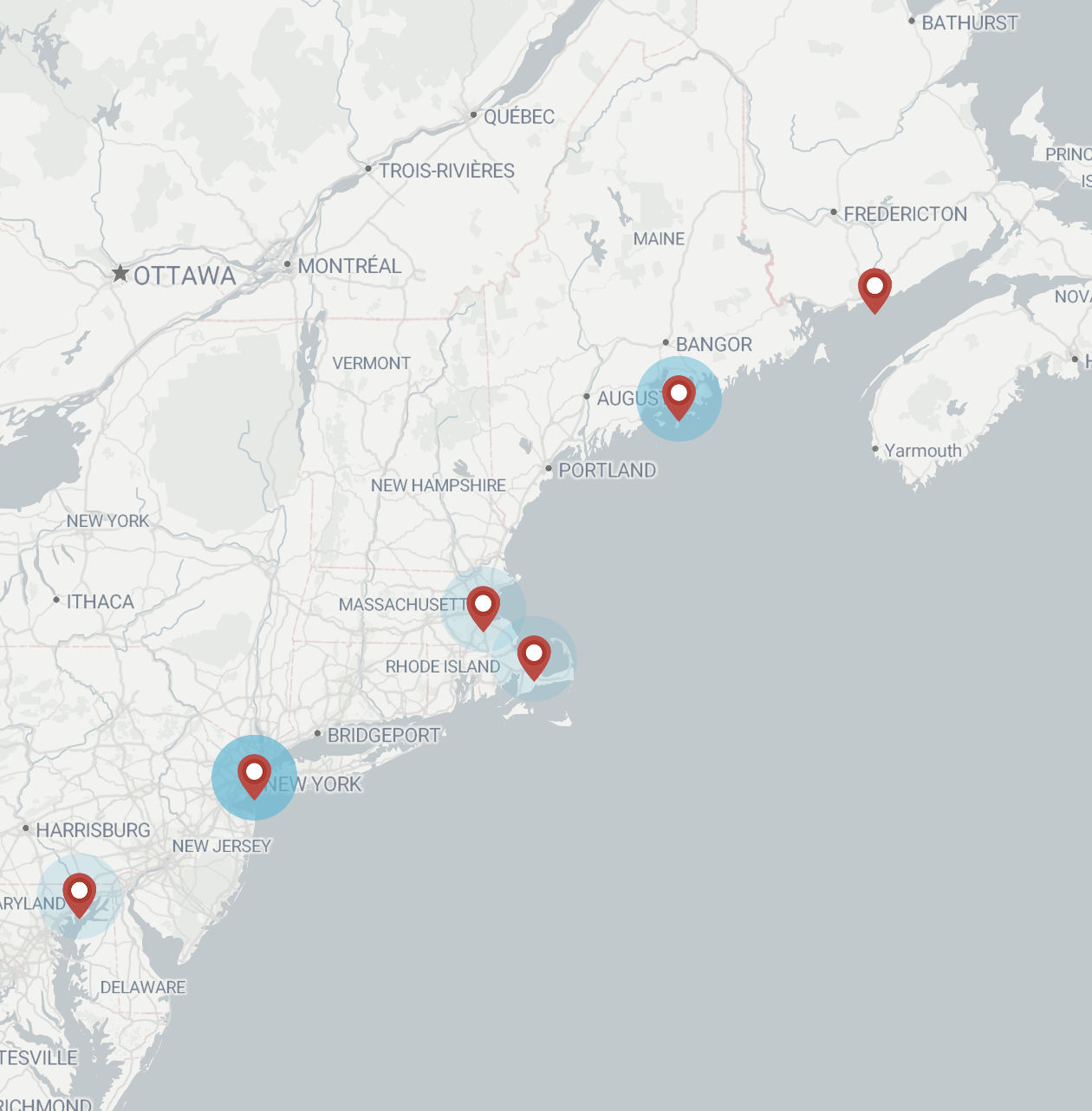
fromweedswegrow.stepspublicart.org
From Weeds We Grow — Steps Public Art

Built for layered, place-based storytelling

The MapTool is a platform, a process, and a product — designed so that the act of mapmaking is itself an interpretive act.

📍

Points of Interest

Pin coordinates to places and attach text, images, audio, video, or web pages — building a rich, navigable narrative layer on top of geography.

🗂

Layered Authorship

Multiple authors and perspectives can coexist on the same map, making co-construction of place-based stories explicit and visible.

📱

Web & Mobile

Projects run in the browser or as native mobile apps — including offline, location-triggered audio and geotagged experiences in the field.

🔗

Any Media

Embed 360° video, archival images, audio tours, AR links, or external websites — whatever the story of a place requires.

A tool that adapts to how you map

The MapTool supports three distinct relationships between authors, maps, and audiences.

1

Direct Use — Scholar as Author

Spatialize a text or body of research. Place pins, layer media and interpretation directly onto the map, and share a navigable scholarly argument about place.

2

Wayfinder — Audience Goes There

Guide people to specific physical locations to unlock an experience — a video, an AR layer, a web page. The map is the interface between place and story.

3

Authoring Tool — Behind the Scenes

Build and curate a collection of geo-linked media that powers a separate mobile app or website. The audience never sees The MapTool — only the experience it shapes.

Projects built with The MapTool

Each project explores a different relationship between authorship, community, and place.

Tell richer stories about place

The MapTool was built in collaboration with scholars, community organizations, and artists. Read the full paper or explore a live project.

Read the Paper